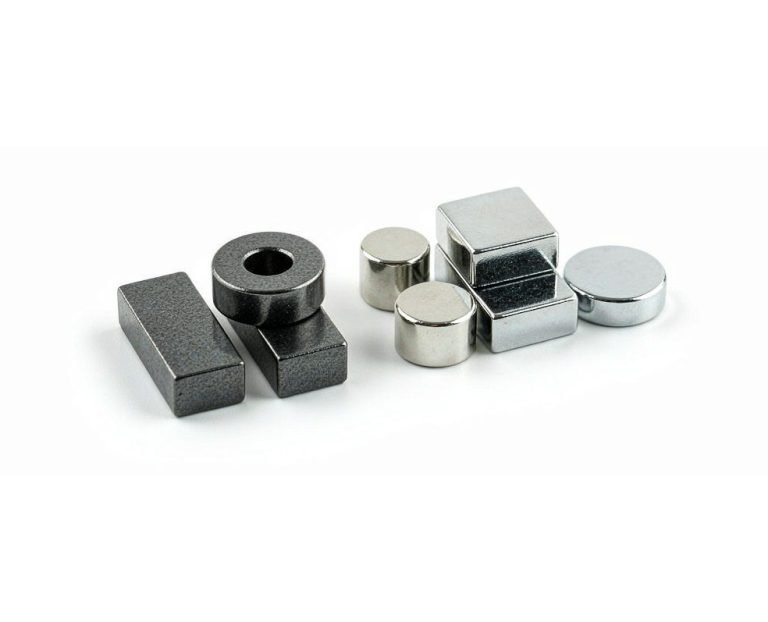
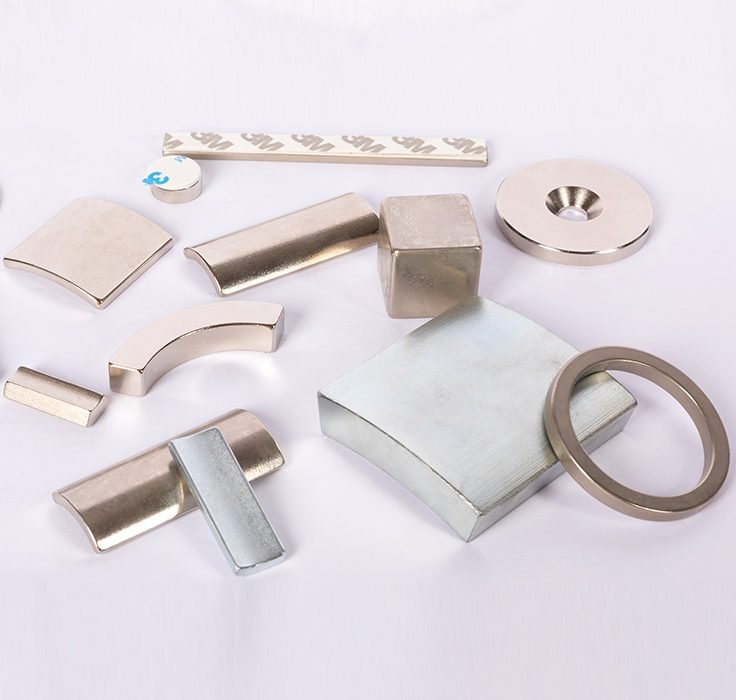
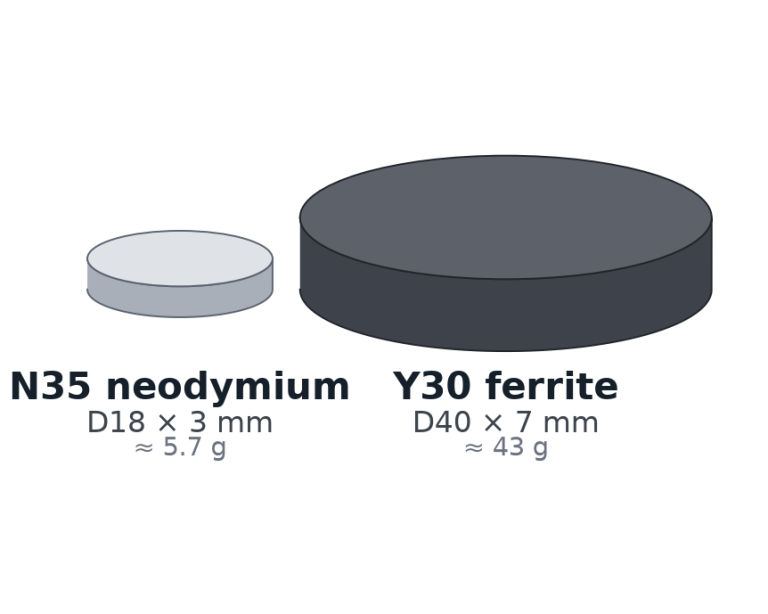
Magnets are bought to make a motor turn, a sensor read, a latch hold or a display stay put. So this guide on how to choose a magnet starts from the problem you are dealing with — an open spec, a material you want to replace, a coating that keeps failing — and shows how we work it out, with the numbers we measured and the ones we simulated.
How to Choose a Magnet: Where to Start
Six problems cover most of the questions that reach our engineers when they ask us how to choose a magnet. Every case note follows the same shape: the problem, what we checked, the comparison, and the number we landed on.
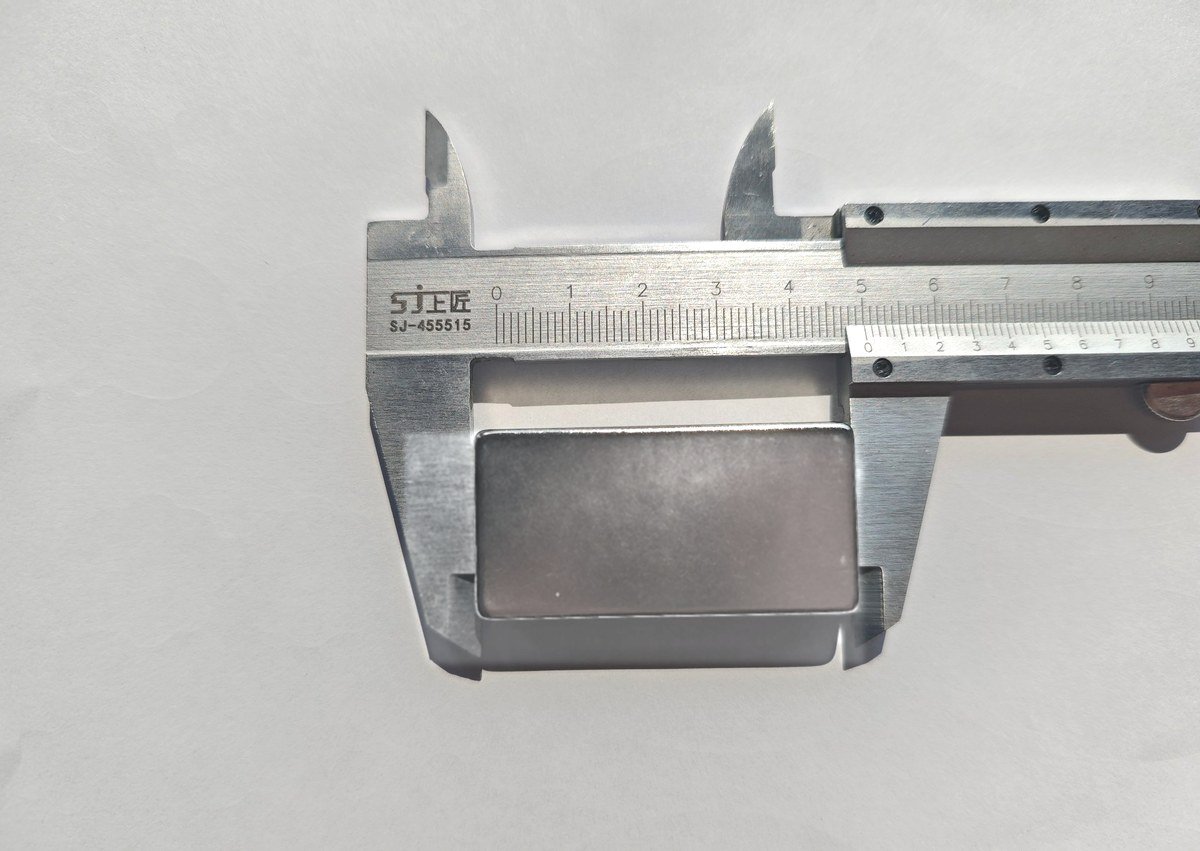
Magnet Selection
The spec is still open: which grade, which size and which shape hold the field you need at your working temperature?
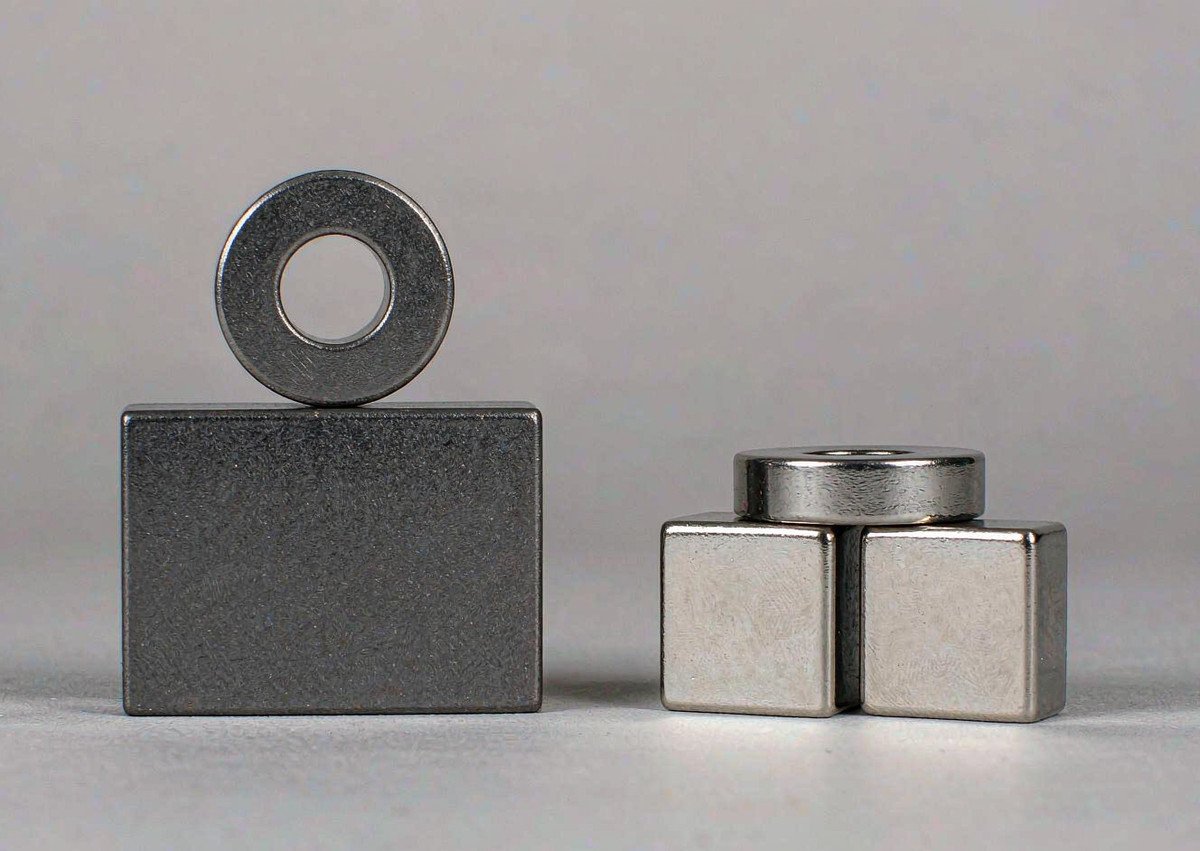
Material Comparison
Neodymium or samarium cobalt, bonded or sintered. What actually changes when you switch material, and what the switch costs.
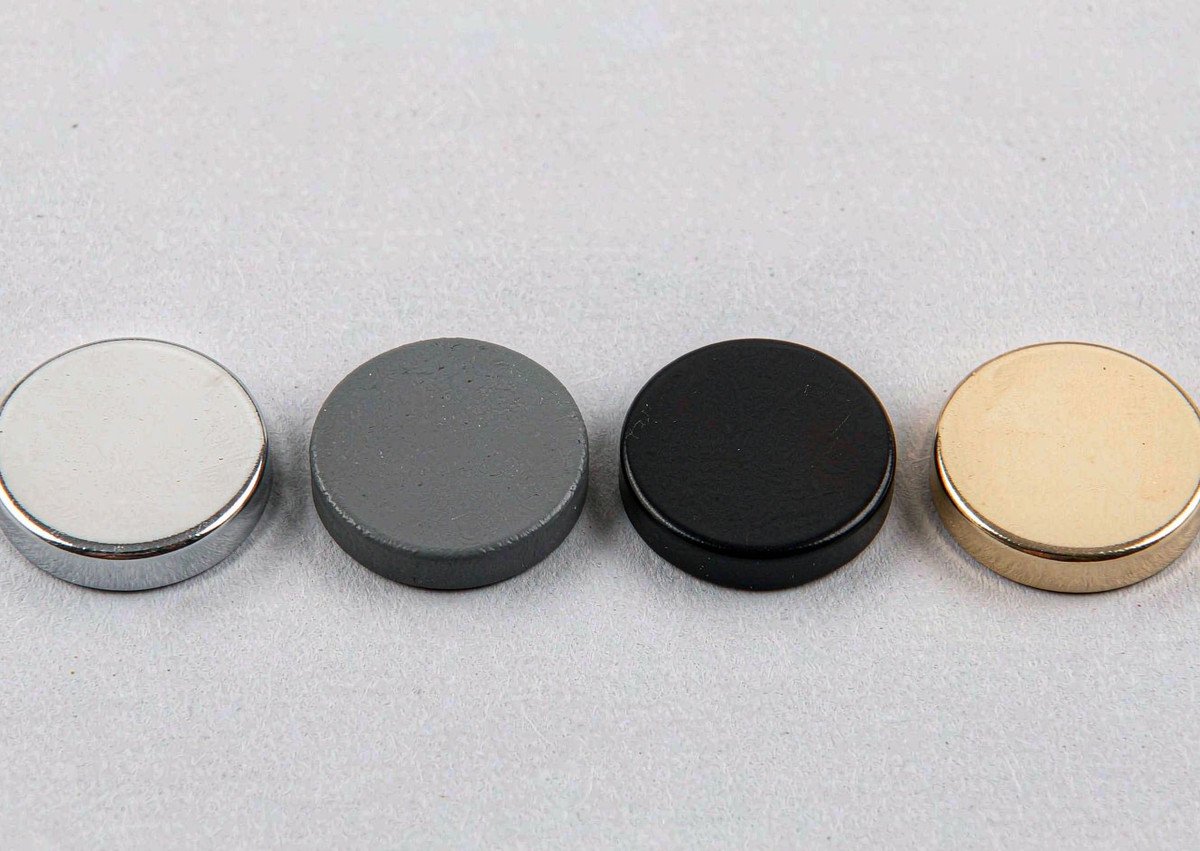
Coating & Plating
Ni-Cu-Ni, zinc, epoxy or parylene. Coating decides corrosion life, and it also changes the fit and the air gap.
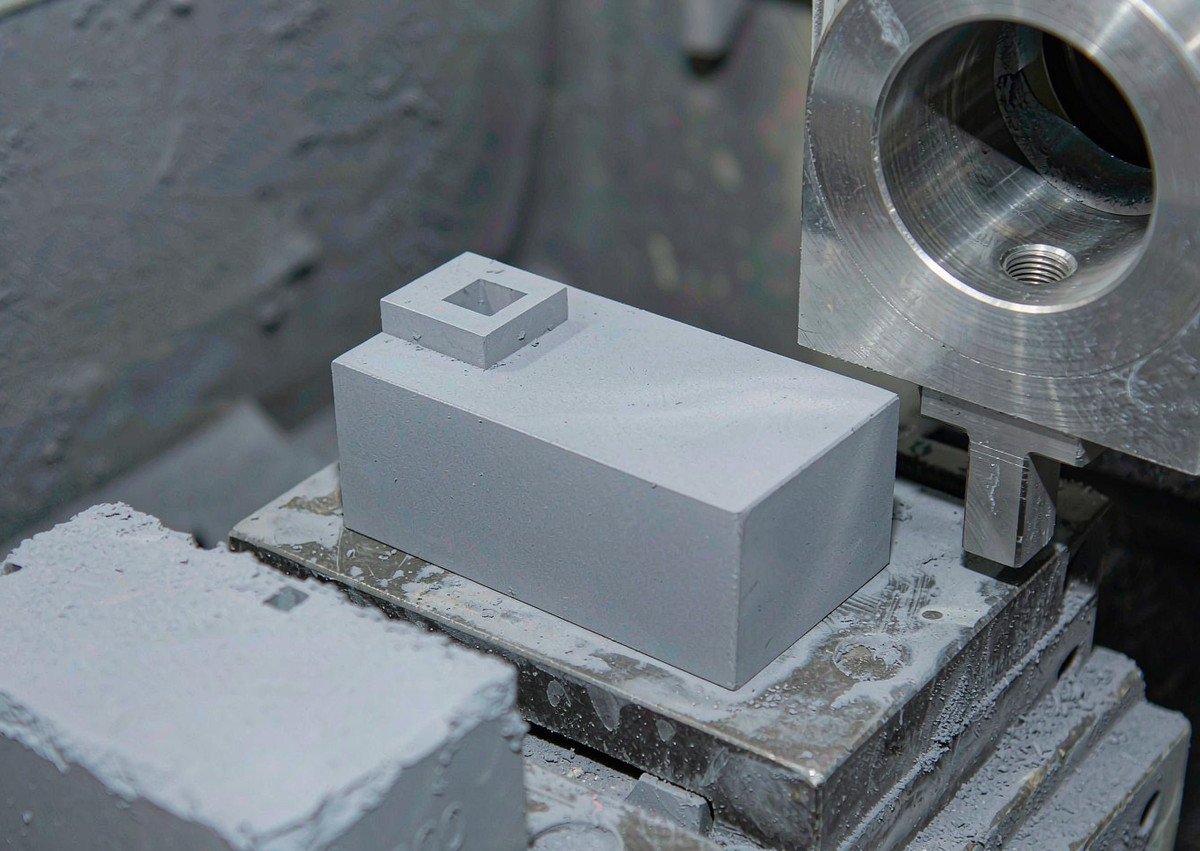
Manufacturing Process
How the part is made, and which tolerance, magnetisation pattern and lead time the process can really hold.
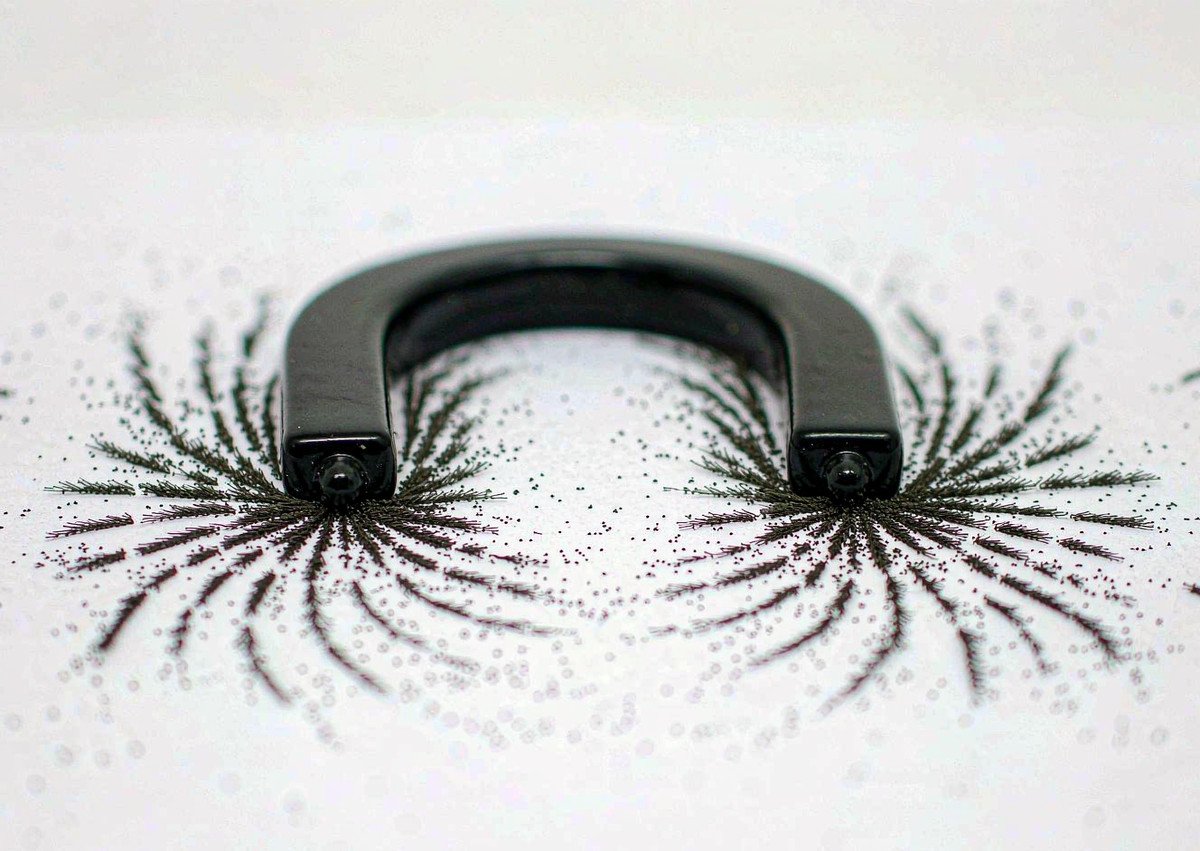
Magnetisation & Field Design
Direction, poles, air gap and the field at the sensor. How we check a design in simulation before any tooling is cut.
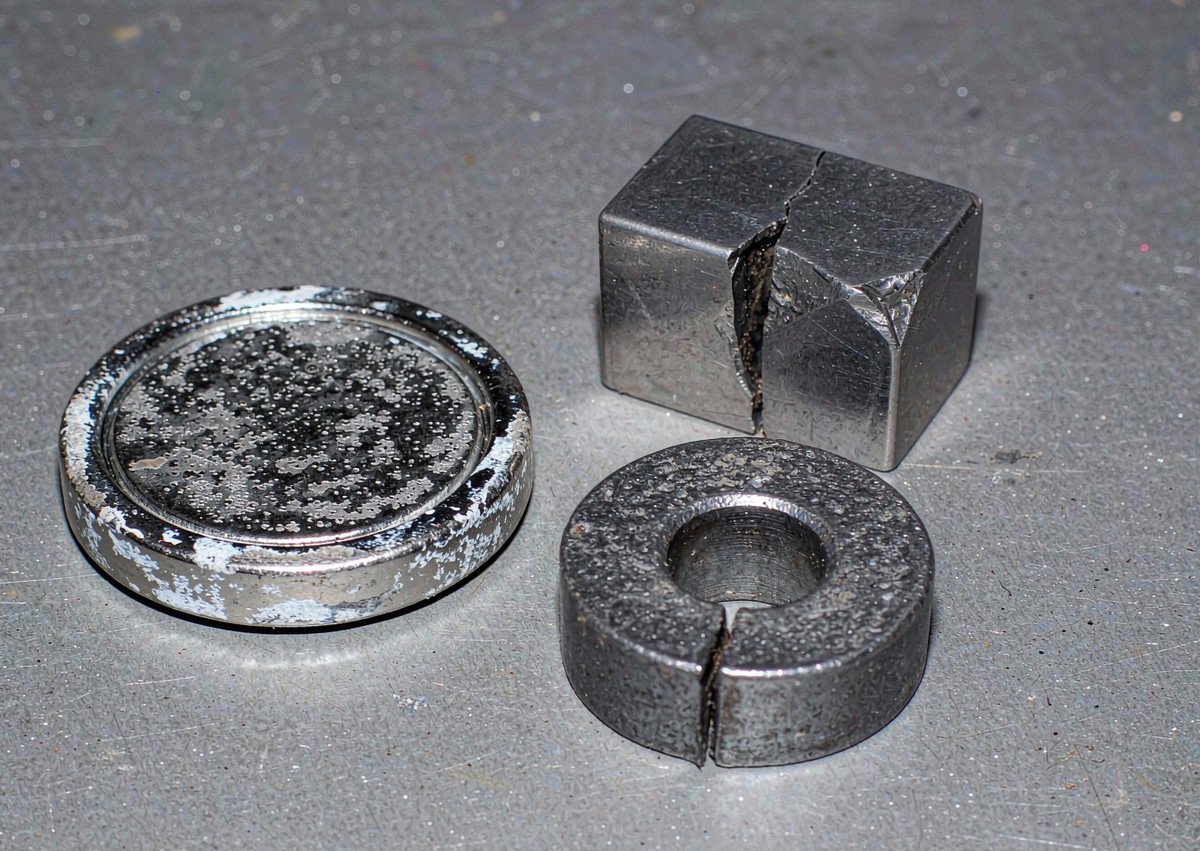
Failure & Field Problems
Lost strength, cracks, corrosion, a sensor reading wrong. What we measure first, and what it usually turns out to be.
How a Project Runs
How to Choose a Magnet: Three Numbers First
Before a grade or a shape is fixed, three numbers settle most of the argument. The working temperature at the magnet. The air gap between the magnet and whatever senses or reacts to it. The tolerance on the face that sets that gap.
Working temperature picks the grade. A part that reaches 150 °C in service cannot use the same grade as one that sits at 40 °C, even when the datasheet looks identical at room temperature. Air gap sets how much of the field arrives at all, and it is the first thing a design loses when a housing grows by half a millimetre. Tolerance decides whether every part in a batch behaves the same way, which is why we hold a working face to ±0.02 mm where the gap depends on it.
Get those three right and the material, the coating and the magnetisation pattern usually follow on their own. Get one of them wrong and no grade change repairs it. It is also why the case notes on this page are grouped by problem rather than by material. The question almost always starts with a number, not with a grade.
If you are not sure which of the six groups fits your part, send the drawing and the working temperature. We will tell you which numbers matter and which ones the design can absorb.
How We Make It
Picking the material is half the job, and the grade data itself is public: the published neodymium magnet grades and their maximum operating temperatures are not proprietary. The other half is holding the tolerance, the coating thickness and the magnetisation once the part goes into tooling. That side of the work sits with the factory pages: Production Flow, Plants & Equipment, Quality & Safety and Engineering & R&D.